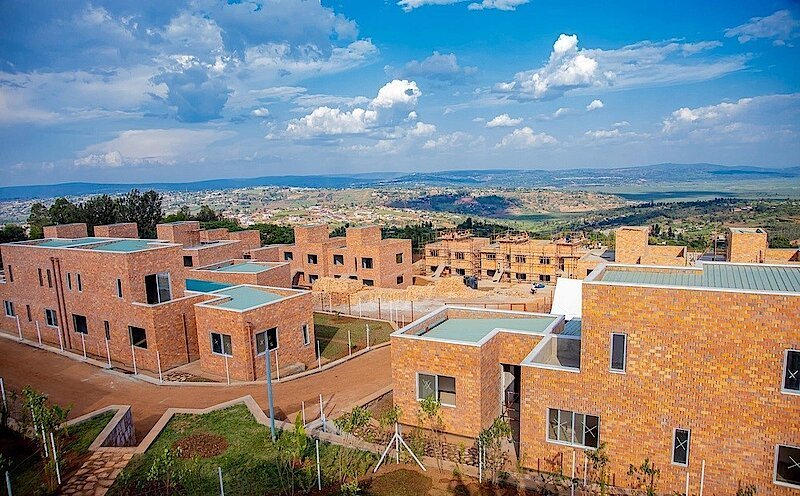

As Rwanda embarks on the 2025/2026 fiscal year, the national landscape is poised for a dramatic physical and economic facelift. The Ministry of Infrastructure’s commitment to spend over Rwf 513 billion on strategic projects marks a bold statement of intent. At a time when global economies are navigating uncertainty, Rwanda is doubling down on "Digital and Physical Public Infrastructure" as the primary engine for inclusive growth. This investment represents a bridge between our current progress and the ambitious goals of Vision 2050, aiming to lower the cost of doing business while raising the quality of life for every Rwandan.
A Catalyst for Economic Vitality
From an analytical perspective, the economic advantages of this spending are multifaceted. A significant portion of the budget is dedicated to the transport sector, including the construction and rehabilitation of nearly 264 kilometres of national and feeder roads. Roads like the Muhanga–Rubengera and the Base–Butaro–Kidaho stretches are not just asphalt paths; they are economic arteries. By reducing transit times and vehicle maintenance costs, these projects directly lower the price of goods in our markets. Furthermore, the investment in the New Kigali International Airport in Bugesera and the Kigali Logistics Platform cements Rwanda’s position as a regional trade hub, attracting foreign direct investment and boosting the burgeoning tourism sector.
Transforming the Daily Lives of Citizens
While the macro-economic figures are impressive, the true success of this budget lies in its impact on the "rubanda rugufi" (the common citizen). Infrastructure is the silent partner in social transformation.
- Job Creation: The construction phase of these projects is a massive employment generator. From engineering roles to manual labor and local supply chains for materials like cement and steel, thousands of Rwandans are finding "decent work" as part of this national building effort.
- Access to Markets and Services: For a farmer in Rutsiro or Nyagatare, a new feeder road means that perishable crops like tomatoes or milk can reach the market before they spoil. It means that a pregnant woman can reach a district hospital in minutes rather than hours. This connectivity is the ultimate equalizer, narrowing the gap between urban and rural prosperity.
- Urban Decongestion: In Kigali, the modernization of major junctions—such as Gishushu, Chez Lando, and Sonatube—into modern interchanges will save the average commuter hours of productivity lost in traffic. This efficiency translates into more time for family and business, improving the overall mental and social well-being of the urban workforce.
Powering a Smarter Rwanda
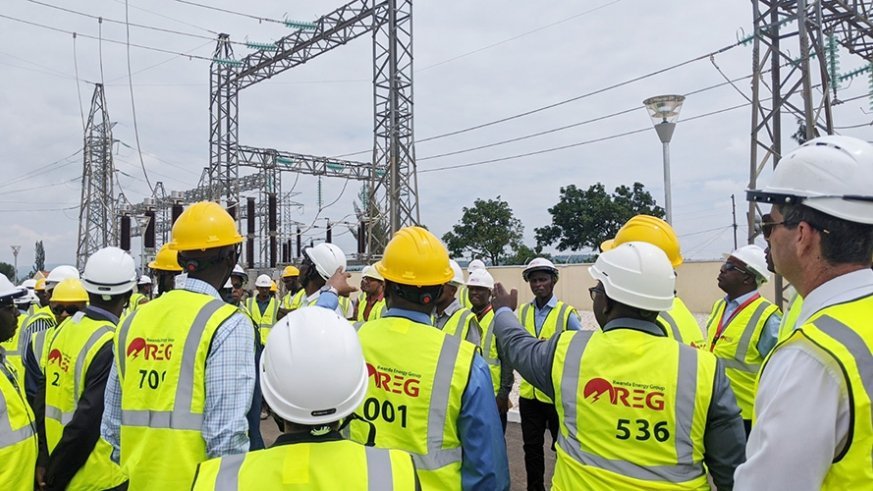
Beyond roads, the infrastructure push extends into the digital and utility realms. The government’s focus on expanding electricity access and clean water sanitation ensures that the "basic needs" of the population are met. By integrating these physical works with the new Single Digital ID system, the government is creating a seamless environment where a citizen can use a well-paved road to reach a service center, only to find that the service itself is digitized, fast, and transparent.
"Our goal is to ensure that infrastructure serves as a foundation for productivity. When we build a road, we are not just moving vehicles; we are moving opportunities." — Ministry of Infrastructure Performance Report 2025/26.
The Road Ahead
As the fiscal year progresses, the challenge remains in the timely and high-quality execution of these projects. With 65% of the national budget already being implemented, the momentum is palpable. The Rwf 513 billion investment is a down payment on a Rwanda that is more connected, more competitive, and more equitable. For the citizens watching the excavators and pavers at work in their neighbourhoods, these projects are the visible signs of a nation that is moving steadily toward its destiny as a middle-income powerhouse.