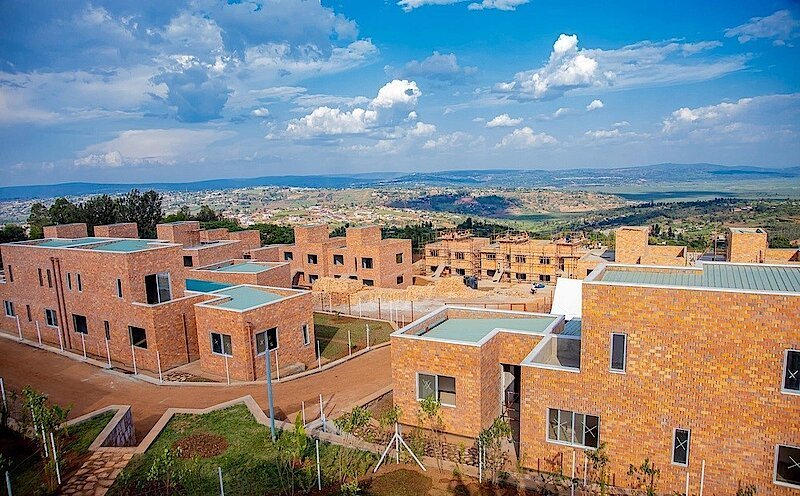

Large infrastructure projects are reshaping Rwanda’s spatial development pattern, with new roads and the upcoming international airport at Bugesera expected to shift economic gravity beyond Kigali’s traditional core. Improved connectivity is unlocking land for housing, industry, and logistics facilities along emerging corridors.
Road upgrades reduce travel times for both passengers and freight, lowering transaction costs for businesses and improving supply chain reliability. For manufacturers and exporters, logistics efficiency can determine competitiveness as much as production costs.
The new airport, designed to handle far greater passenger and cargo volumes than the current facility, is central to Rwanda’s ambition to become an aviation and logistics hub. Increased air cargo capacity could support high-value exports such as fresh produce, pharmaceuticals, and electronics.
Urban planners emphasize controlled expansion to avoid the congestion and informal sprawl seen in many rapidly growing African cities. Planned satellite communities aim to distribute population growth while maintaining service delivery standards.
Infrastructure spending also has immediate macroeconomic effects. Construction activity stimulates demand for materials, labor, and financial services, creating multiplier effects across the economy. Over time, improved connectivity can attract private investment that further accelerates development.