Wednesday, June 3, 2026

Economy

This is the heartbeat. GDP, inflation, jobs, household income, cost of living, consumer spending. It answers one question. Is Rwanda getting richer or just more expensive.

Rerouting Influence: Kagame's Tanzania Visit and the Geometry of Rwanda's Regional Ambitions Economy
Economy 3 weeks ago

Rerouting Influence: Kagame's Tanzania Visit and the Geometry of Rwanda's Regional Ambitions

President Paul Kagame's May 3, 2026, working visit to Tanzania signals a structural shift in how Rwanda conceptualises economic sovereignty, logistics security, and long-term growth within a rapidly reorganising East African order. The significance extends well beyond trade facilitation. Rwanda's dependence on external transport corridors is a foundational determinant of industrial competitiveness, fiscal stability, energy access, and geopolitical resilience, not a peripheral concern. More than 70% of Rwanda's imports and exports move through Tanzanian infrastructure linked to the Port of Dar es Salaam and the Central Corridor, making Tanzania a strategic economic anchor, not merely a neighbour. East Africa is entering a period of intensified infrastructure competition: railway modernisation, port expansion, mineral logistics, and Gulf-backed transport investments are redrawing the region's hierarchy of economic influence. Rwanda's strategy increasingly resembles that of smaller, institutionally coordinated states like Singapore or the UAE, where competitiveness depends less on territorial scale than on securing stable access to trade, finance, energy, and logistics systems. The convergence of Tanzania's maritime leverage, Rwanda's governance-centred model, expanding DRC trade, the AfCFTA framework, and Central versus Northern Corridor rivalry is making corridor diplomacy inseparable from sovereign economic strategy. Rwanda's engagement with Tanzania is therefore a long-term effort to institutionalise economic resilience through diversified infrastructure integration and regional alignment at a moment when global supply chains, energy systems, and trade geographies are undergoing profound transformation.

Gaston Rucibigango 14 min read
The e-Franc Frontier: Rwanda’s Bold Leap into the Future of Digital Money Fiscal Policy
Economy 3 months ago

The e-Franc Frontier: Rwanda’s Bold Leap into the Future of Digital Money

The National Bank of Rwanda (NBR) conducted a five-month Proof of Concept (PoC) to assess how a future Central Bank Digital Currency (CBDC) could function in Rwanda’s financial system and what value it could bring to citizens, businesses, and the wider economy. Building on the earlier feasibility study, which identified opportunities in resilience, innovation, cashless payments, and cross-border efficiency, the PoC focused on validating these areas through hands-on testing, stakeholder collaboration, and structured user research.

Gaston Rucibigango 4 min read
Kigali: East Africa's Emerging Financial Gateway Economy
Economy 3 months ago

Kigali: East Africa's Emerging Financial Gateway

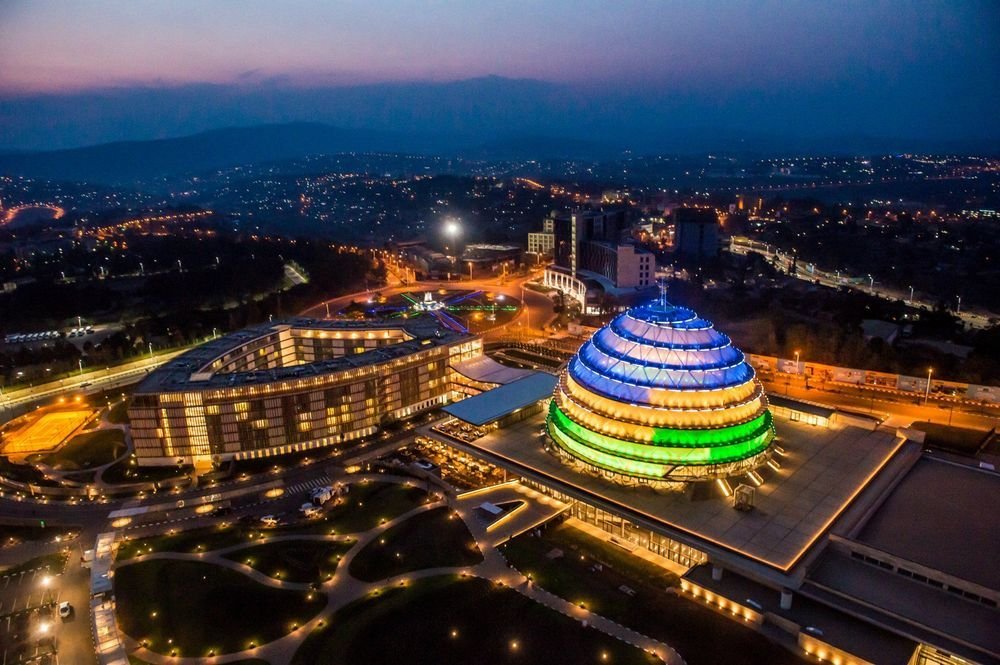
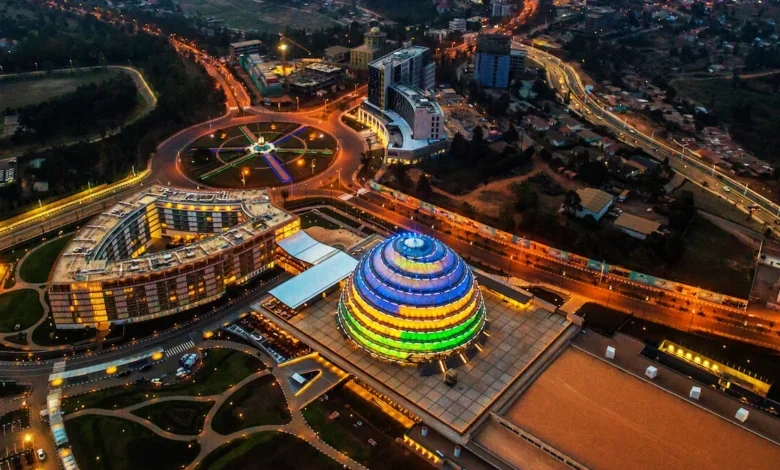
Rwanda is rapidly positioning Kigali as a leading financial hub in Africa through the establishment of the Kigali International Financial Centre (KIFC). Once overshadowed by global financial centres like London, New York City, and Singapore, Kigali is now emerging as a strategic gateway for investment in East and Central Africa.

Gaston Rucibigango 4 min read
Inside Rwanda’s Decision to Hike Rates to 7.25% Fiscal Policy
Economy 3 months ago

Inside Rwanda’s Decision to Hike Rates to 7.25%

On 19 February 2026, the National Bank of Rwanda (BNR) announced a 50 basis point increase in its key policy interest rate, bringing it to 7.25% — the highest level in nearly three years. This decision came amid rising inflation pressures and aims to keep price growth under control while sustaining economic growth.

Gaston Rucibigango 5 min read