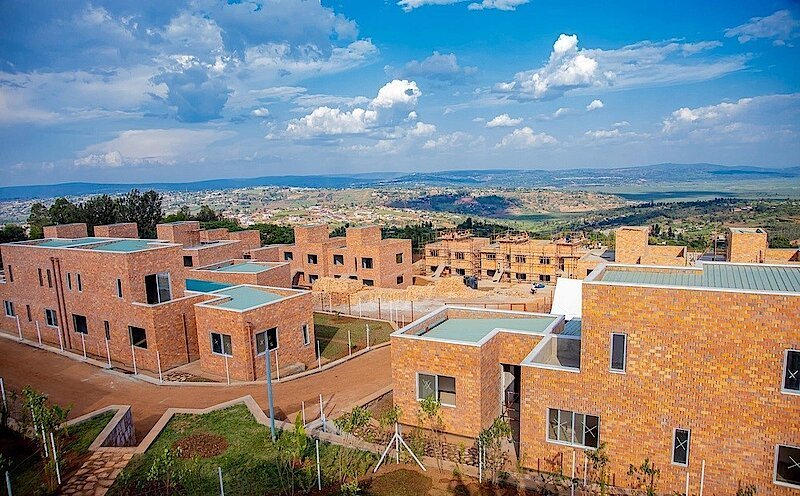

Rwanda is emerging as a preferred destination for climate-aligned investment, attracting funding for renewable energy, sustainable manufacturing, and environmental restoration projects. As global capital increasingly prioritizes environmental, social, and governance criteria, countries with credible policy frameworks stand to benefit disproportionately.
Solar energy projects are expanding electricity access while reducing reliance on imported fuels. Green industrial parks aim to host manufacturers that adhere to strict environmental standards, appealing to multinational firms seeking low-carbon supply chains.
The government has also explored participation in carbon markets, potentially generating revenue from conservation efforts such as forest preservation. These initiatives align national development goals with international climate commitments, unlocking concessional financing from development banks and private investors alike.
Policy predictability and streamlined regulatory processes enhance project bankability, a critical factor for large infrastructure and energy investments. Rwanda’s reputation for efficient public administration reduces perceived risk compared with many frontier markets.
If sustained, green investment inflows could support industrialization without replicating the environmental degradation experienced elsewhere, positioning Rwanda as a model for climate-compatible growth in Africa.