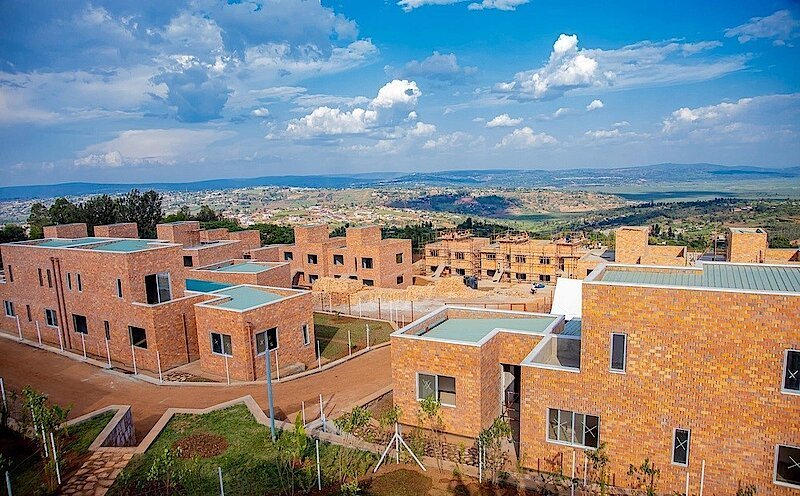

For decades, the Rwandan real estate market was defined by the simple sale of finished homes. A buyer sought a roof over their head, and a seller provided it. However, as we move through 2026, a structural shift has taken hold. Kigali is no longer just a city of houses; it is a city of high-value assets where the "plot"—the land itself—has become the primary driver of economic activity. This evolution from dwelling sales to plot rentals and strategic land sales marks the maturation of Rwanda as a regional financial hub.
The Rise of Land Monetisation
The primary catalyst for this change is the digitisation of land titles and the implementation of the Kigali Master Plan 2050. By providing clear, verifiable Unique Property Identifiers (UPI), the government has turned land into a liquid commodity.
In the current market, investors are increasingly bypassing finished structures to focus on "land banking." Strategic plots in expanding corridors—such as the Kigali–Bugesera axis—have seen year-on-year appreciation rates of 15% to 20%. This trend has birthed a new sub-sector: Plot Rentals. Instead of selling land outright, owners are now entering long-term lease agreements with commercial entities for use as "pop-up" retail spaces, logistics hubs, or urban farming, allowing the owner to retain the asset while generating immediate cash flow.
Economic Impact: The Multiplier Effect
For the Rwandan economy, this shift has moved real estate from a "passive" sector to an "active" one.
Capital Velocity: The ability to sell and transfer plots in as little as seven business days has increased the velocity of capital, allowing investors to pivot quickly between projects.
Collateralization: With formalised land titles, the Rwandan middle class is increasingly using plots as collateral for loans to start businesses, effectively turning real estate into an engine for entrepreneurship.
Revenue Streams: The government has benefited from a streamlined tax system. Property transfer fees and land lease taxes now contribute significantly to the national treasury, funding the very infrastructure (roads, water, and fibre optics) that further drives property values.
Affecting the Daily Lives of Inhabitants
While the macro-economic benefits are clear, the shift from "buying a home" to "investing in a plot" has fundamentally changed how the average resident interacts with their city.
For many, the dream of owning a standalone villa is being replaced by the reality of High-Density Living. As land values skyrocket, the "plot" is becoming too valuable for a single house. This is driving the development of vertical apartments, where one plot might now house 20 families instead of one. For the daily inhabitants, this means more modern, serviced living conditions with better access to utilities, but it also means a higher barrier to entry for land ownership.
Furthermore, the rise in "land-only" transactions has led to a more speculative market. Residents in developing suburbs like Gahanga or Masaka often see their neighbourhoods transform overnight as plots are sold, subdivided, and repurposed for commercial use. While this brings new services and jobs closer to home, it also brings the challenge of rising rents as the "neighbourhood value" adjusts to its new commercial potential.
Conclusion: Sustainable Growth vs. Market Speculation
Rwanda’s real estate sector has successfully leapfrogged the informal, "handshake" deals of the past to become a cornerstone of the national economy. Focusing on the intrinsic value of land and the flexibility of plot rentals, the market has attracted a diverse pool of international and diaspora investors.
The task for the next decade will be ensuring that this "plot-driven" wealth remains inclusive. As land continues to be subdivided and sold at record prices, the success of the Rwandan experiment will be measured by whether the average citizen can still find a place—however small—within the boundaries of this booming market.