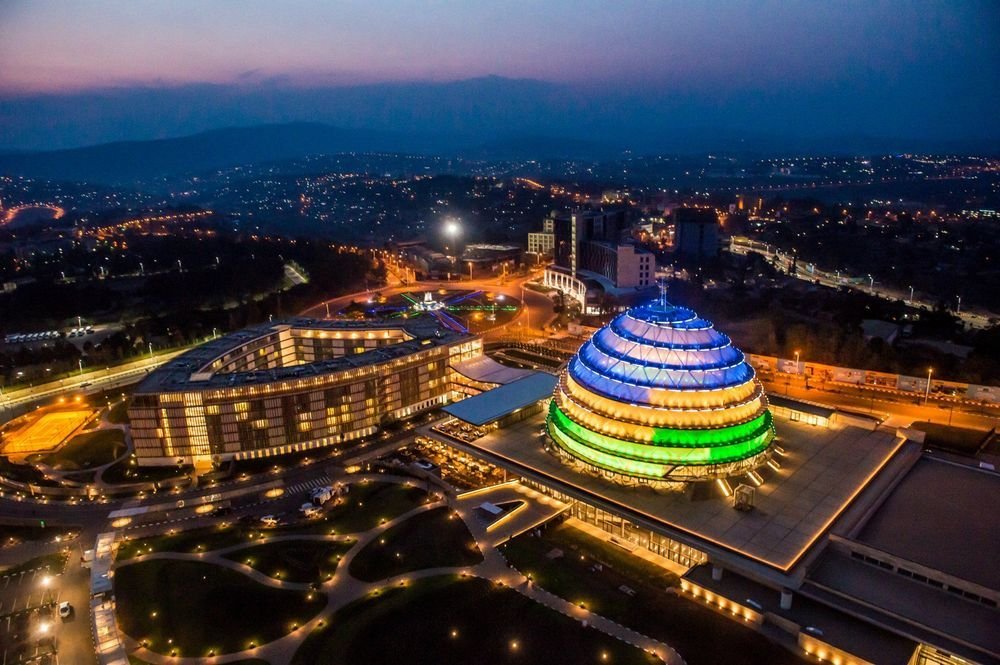

For decades, the global financial world looked toward London, New York, or Singapore as the ultimate hubs of capital. Today, however, a new name is rising in the heart of Africa. Kigali is no longer just a city of a thousand hills; it is rapidly transforming into a city of a thousand opportunities. Through the strategic establishment of the Kigali International Financial Centre (KIFC), Rwanda is positioning itself as the premier financial gateway for East Africa, creating a sophisticated ecosystem designed to attract pan-African investment and foster cross-border trade.
The foundation of this ambition rests on Rwanda’s remarkable macroeconomic stability. In an era where many emerging markets struggle with volatile currencies and runaway inflation, Rwanda has maintained a disciplined fiscal path. Even with the recent proactive interest rate adjustments by the National Bank of Rwanda to curb global inflationary pressures, the underlying economy remains resilient. This stability provides the "predictability" that international investors crave. When a private equity fund or a multinational bank chooses Kigali as its headquarters, it is buying into a system where the rules of the game are clear, transparent, and consistent.
This rise is further fueled by Rwanda’s relentless pursuit of ease-of-doing-business reforms. Rwanda consistently ranks among the top performers in Africa for the ease of starting a business, registering property, and enforcing contracts. The digitalization of government services through platforms like Irembo has eliminated the bureaucratic red tape that often stifles growth in other regions. For the economy, this means a lower cost of doing business, which in turn attracts "anchor tenants"—major financial institutions and fintech startups—that bring capital, expertise, and high-value services to our shores.
Central to this transformation is Rwanda’s role within the East African Community (EAC) and its alignment with the African Continental Free Trade Area (AfCFTA). By positioning itself as a hub, Kigali serves as a bridge between the vast, resource-rich markets of Central and East Africa and global capital markets.
The KIFC has introduced world-class legal and regulatory frameworks, such as the new partnership and private equity laws, which allow investors to pool money in Rwanda to fund infrastructure projects in neighbouring countries. This regional integration ensures that when Kigali wins, the entire region benefits from increased liquidity and trade efficiency.
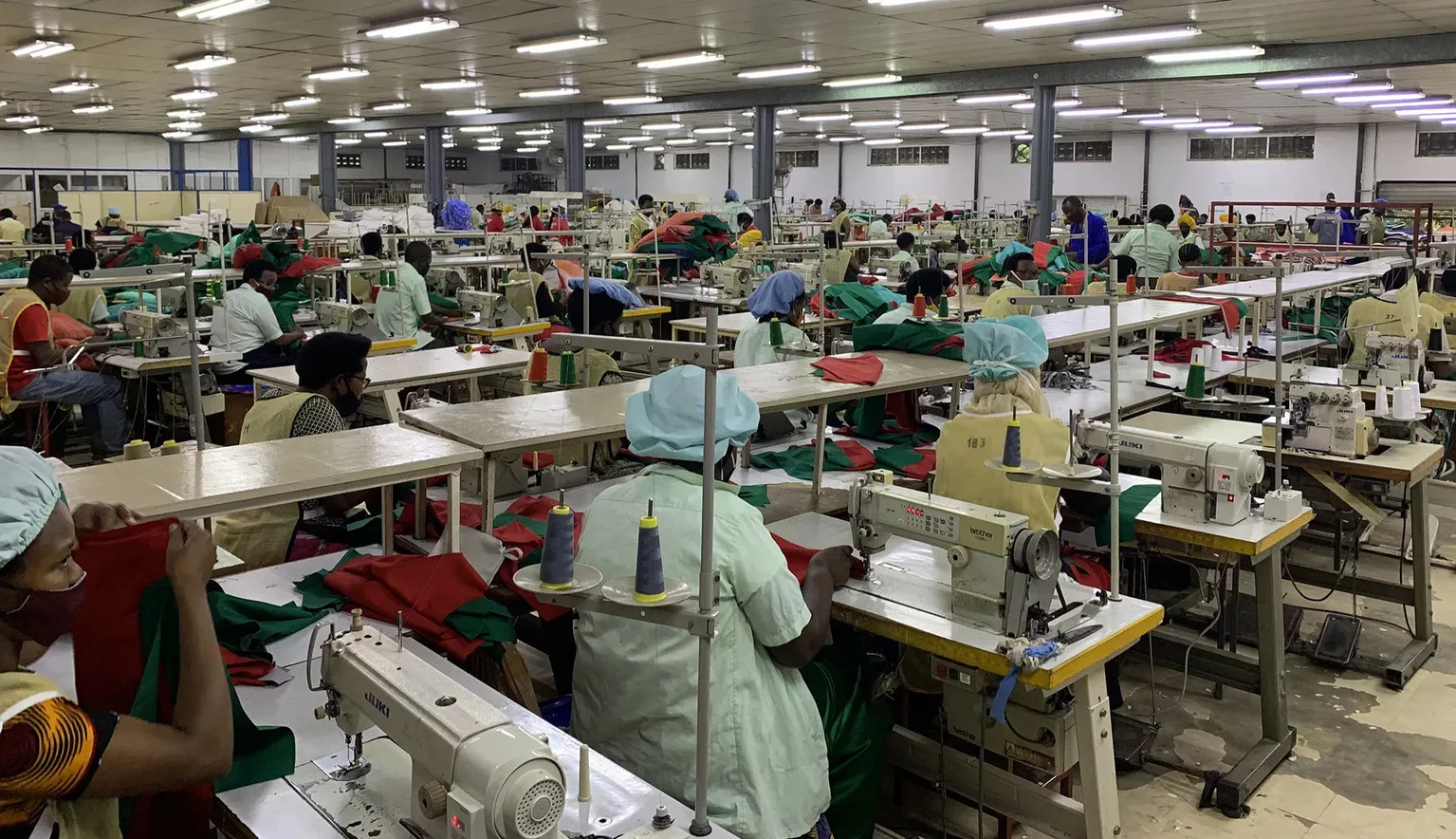
But what does a "financial gateway" mean for the Rwandan citizen standing in the streets of Nyarugenge or Remera? The impact on daily life is profound and multifaceted. First and foremost is the creation of high-skilled jobs. The growth of the KIFC is birthing a new generation of Rwandan professionals—accountants, corporate lawyers, data analysts, and fund managers—who no longer need to look to Europe or Asia for world-class career opportunities. This "knowledge economy" raises the national standard of living and keeps our brightest minds at home.
Beyond elite professions, the financial hub status trickles down to the "normal" citizen through improved financial inclusion and lower costs for services. A more competitive financial sector means that local banks must innovate to survive. For the small business owner, this results in better digital banking tools, more diverse insurance products, and eventually, more affordable credit as the domestic capital market matures. Furthermore, the presence of international firms boosts the local hospitality, real estate, and service sectors, creating a "multiplier effect" that generates employment for thousands of others.
Ultimately, Kigali’s emergence as a financial gateway is a story of deliberate nation-building. It is about moving from a country that receives aid to a country that manages wealth. As the KIFC continues to sign landmark deals and attract global funds, the skyscrapers rising in the Central Business District stand as monuments to a new Rwandan reality. We are no longer just participating in the global economy; we are facilitating it. For every Rwandan, this means living in a country that is connected, respected, and increasingly prosperous.