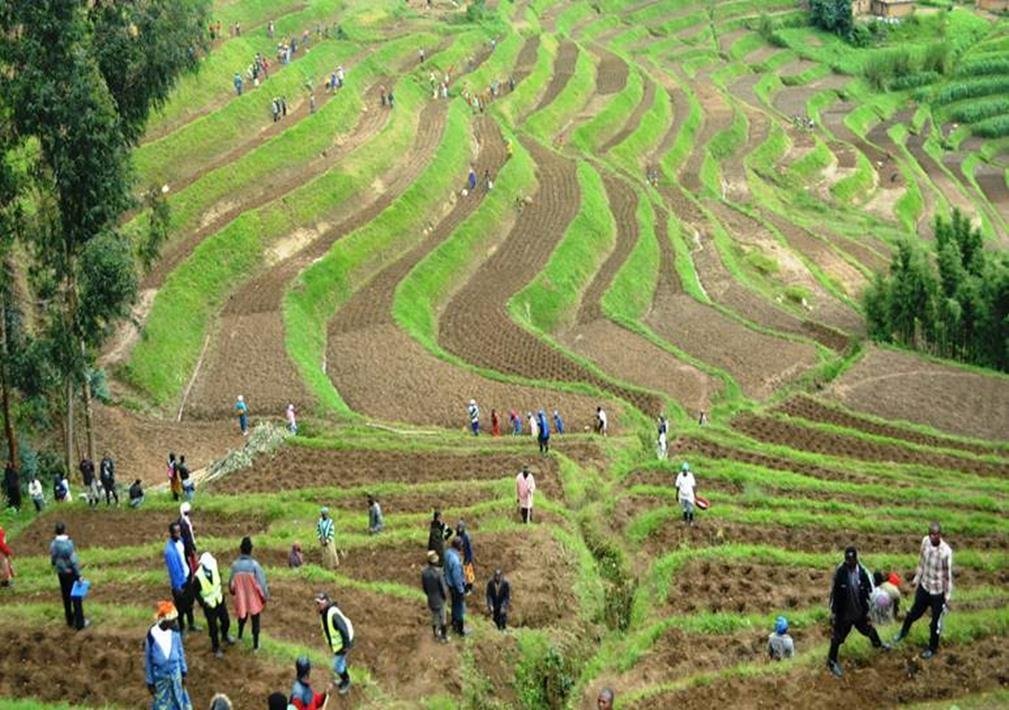

Rwanda is accelerating large-scale irrigation development as climate volatility exposes the limits of rain-dependent farming in one of Africa’s most densely populated countries. Agriculture still employs roughly two-thirds of the workforce and anchors rural incomes, making productivity gains central not only to food security but to macroeconomic stability.
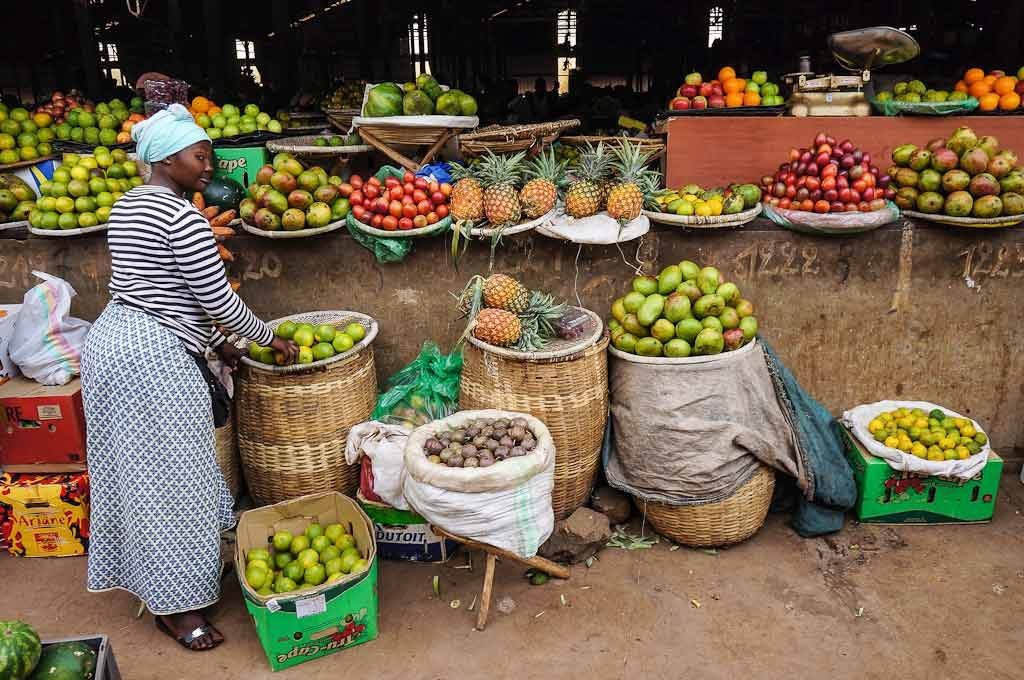
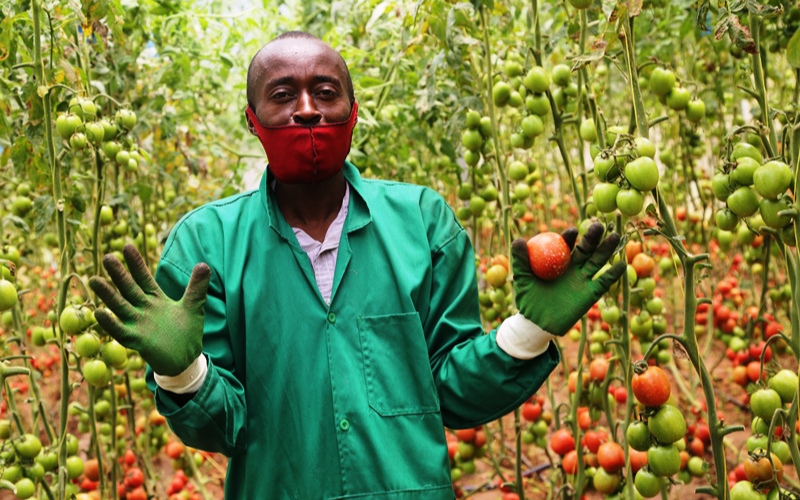
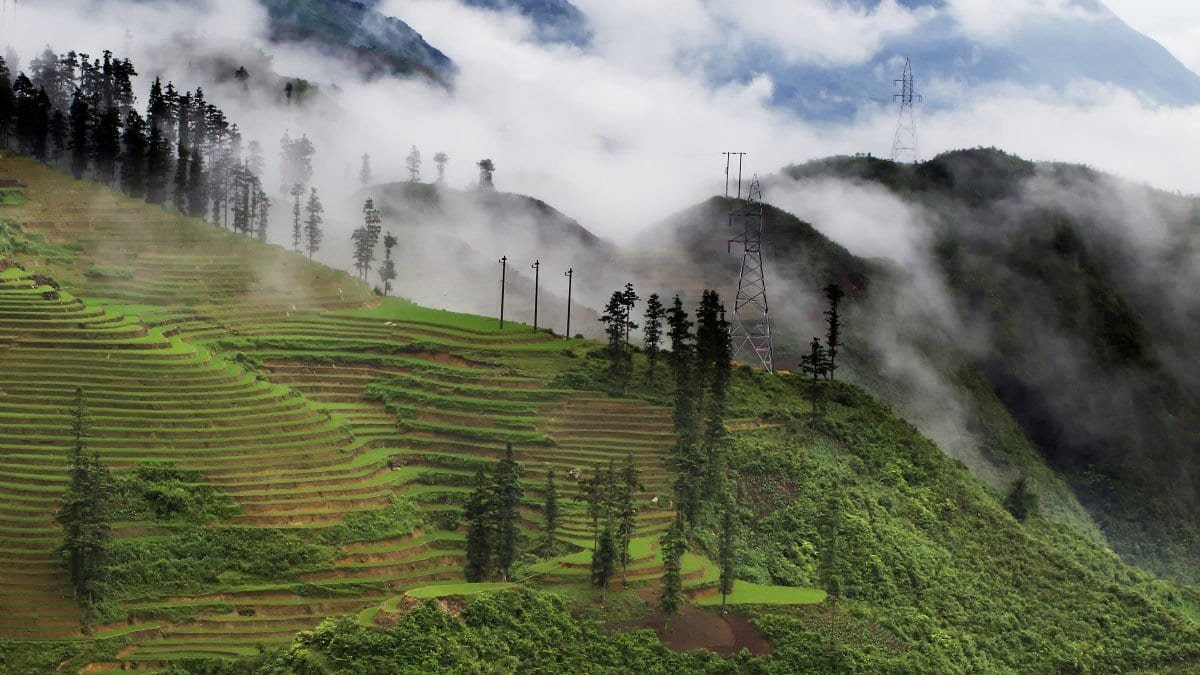
Recent investments target marshland irrigation, hillside water harvesting, and small-scale farmer schemes designed to enable year-round cultivation. Rice, horticulture, and export crops such as coffee and tea stand to benefit most. By stabilizing yields, irrigation reduces seasonal price swings that have historically contributed to food inflation, a politically and economically sensitive variable.
The strategy also reflects a deliberate transition from subsistence production toward commercial agriculture. Government programs increasingly bundle irrigation with improved seeds, mechanization services, storage facilities, and rural road access. This integrated approach aims to convert productivity gains into actual income growth rather than surplus losses due to poor market access.
Export competitiveness is another key driver. Rwanda’s specialty coffee and premium tea industries depend heavily on consistent quality, which climate disruptions can undermine. Reliable water supply improves bean development and harvest predictability, strengthening the country’s positioning in high-value niche markets.
For investors and development finance institutions, irrigation projects offer dual returns: social impact through rural income growth and economic gains through increased agricultural output. If scaled successfully, Rwanda could reduce food imports, expand agro-processing, and generate foreign exchange, reinforcing agriculture as both a poverty-reduction tool and a pillar of long-term growth.