
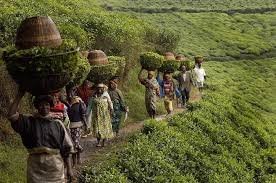
Rwanda’s agriculture sector has undergone remarkable transformation over the past two decades. Despite limited land and high population density, the country has adopted modern farming techniques, strategic policies, and climate-smart agriculture to increase productivity and resilience. Agriculture remains central to Rwanda’s economic development, poverty reduction, and rural livelihoods.
Agriculture contributes significantly to Rwanda’s economy, employing over 60% of the population and supporting rural communities across the country. The sector primarily consists of smallholder farmers who cultivate crops such as maize, beans, rice, potatoes, bananas, and cassava. Export crops like coffee and tea are among Rwanda’s top foreign exchange earners, known globally for their quality.
The Rwandan government has implemented several initiatives to modernize agriculture, including land consolidation, crop intensification programs, and improved access to fertilizers and high-quality seeds. These efforts have helped increase yields and improve food security nationwide.
Livestock farming is also an important component of agriculture in Rwanda. Programs such as Girinka (One Cow per Poor Family) have improved nutrition, increased household incomes, and strengthened social cohesion in rural areas.
In recent years, Rwanda has emphasized sustainable and climate-smart agriculture. Terracing on hillsides, irrigation projects, and agroforestry practices help reduce soil erosion and mitigate the effects of climate change. The integration of digital tools, such as mobile-based advisory services and market information systems, has further empowered farmers.
Despite challenges such as land scarcity and climate variability, Rwanda’s agricultural sector continues to show resilience. With continued investment in technology, infrastructure, and farmer education, agriculture will remain a key driver of Rwanda’s long-term development.

