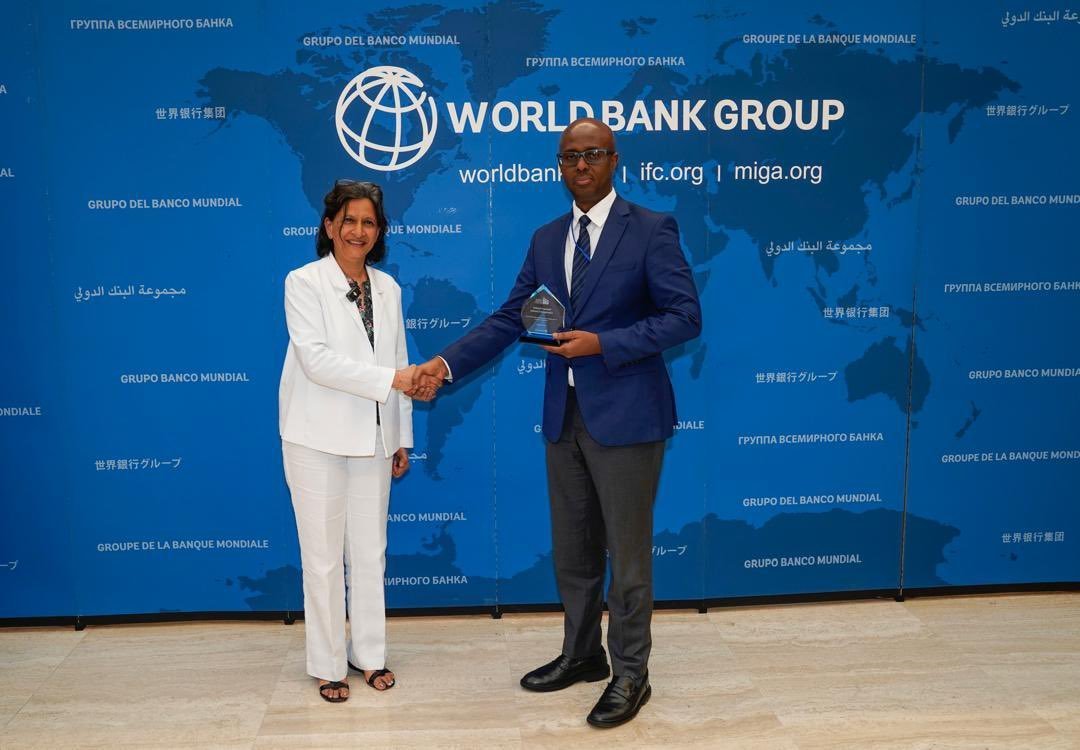

In the global landscape of governance, trust is the most valuable currency a nation can possess. For Rwanda, that currency reached an all-time high this year. According to the 2025 Corruption Perceptions Index (CPI) released by Transparency International, Rwanda scored 58 out of 100—its highest mark since the index began tracking the country. Tied for third place on the African continent alongside Botswana, and trailing only Seychelles and Cape Verde, Rwanda has officially cemented its status as one of the most transparent nations in the world. While these numbers are a source of national pride, their true value lies in the "integrity dividend" they pay to the economy and the daily lives of every Rwandan citizen.
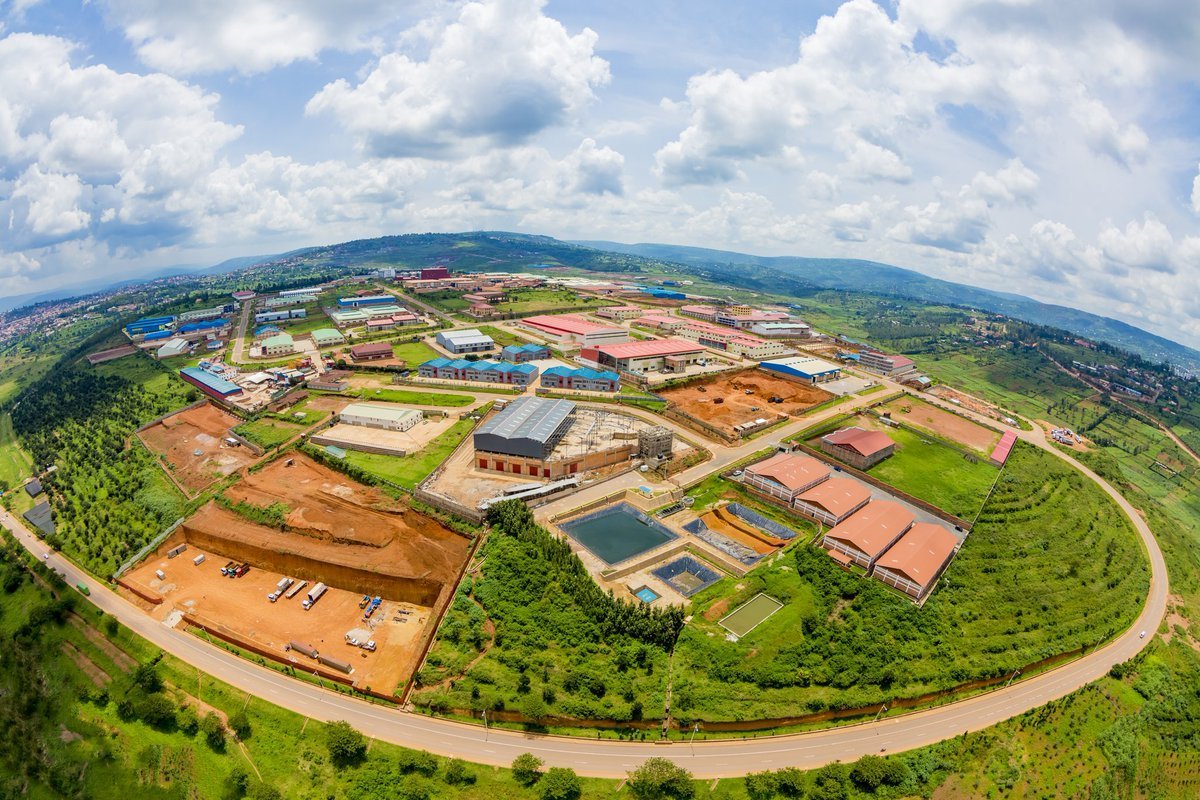
To appreciate the gravity of this achievement, one must look at the trajectory. In 2006, Rwanda’s score sat at a record low of 25. The jump to 58 in 2025 is not a statistical fluke but the result of two decades of systemic institutional reform. For the economy, this high ranking acts as a powerful magnet for Foreign Direct Investment (FDI). Investors are inherently risk-averse; they seek markets where contracts are honoured, where the rule of law is predictable, and where "hidden costs" like bribery do not eat into their margins. By maintaining a clean reputation, Rwanda reduces the cost of doing business, encouraging global tech firms, financial institutions, and manufacturers to set up regional hubs in Kigali.
The economic advantages of low corruption also extend to the efficiency of public spending. Every franc allocated in the national budget—including the massive Rwf 513 billion earmarked for infrastructure this fiscal year—goes much further when there is minimal leakage. In many developing economies, corruption can drain up to 20-30% of public procurement budgets. In Rwanda, the "zero-tolerance" policy means that tax revenues are actually converted into the roads, hospitals, and schools they were intended for. This fiscal discipline ensures that the government can provide higher-quality public services without necessarily increasing the tax burden on citizens and businesses.
On a human level, the impact of these rankings is felt in the dignity of daily interactions. For the average citizen, a high CPI score translates to a society where merit precedes "connections." Whether it is a young graduate applying for a government job, a mother seeking medical attention at a community health centre, or an entrepreneur applying for a construction permit, the absence of petty bribery ensures equal access to opportunity. When the system is transparent, the "social contract" between the state and the people is strengthened, fostering a sense of security and trust that is essential for social stability.
Furthermore, Rwanda’s reputation for integrity has made it a darling for international development partners and "green" financiers. As the world shifts toward Environmental, Social, and Governance (ESG) standards, Rwanda’s high governance scores make it an ideal candidate for innovative financing, such as green bonds and climate resilience funds. These resources are critical as the nation navigates the challenges of the 21st century, ensuring that our development is not only fast but also sustainable and ethically grounded.
As we celebrate ranking third in Africa, the goal remains to bridge the gap with the global leaders. The journey from a score of 25 to 58 proves that corruption is not a cultural inevitability but a policy choice. By continuing to digitise public services and strengthening oversight institutions, Rwanda is not just winning awards; it is building a foundation of trust that will support the weight of our Vision 2050 ambitions. For the Rwandan citizen, a cleaner government today means a wealthier, more equitable nation tomorrow.